
Sweating excessively generally does not directly lead to weight loss, and the weight loss effect mainly comes from fat consumption rather than water loss. Sweating is a natural mechanism by which the human body regulates body temperature, and heat is carried away through sweat evaporation during high temperature environments or intense exercise. The energy expenditure associated with sweating during exercise does help with weight loss, but simply increasing the amount of sweat only leads to water loss, and temporary weight loss will recover after drinking water. For example, the proportion of water excreted through sauna, sweatshirt, and other methods to body weight is extremely small, and excessive dehydration may cause electrolyte imbalances.
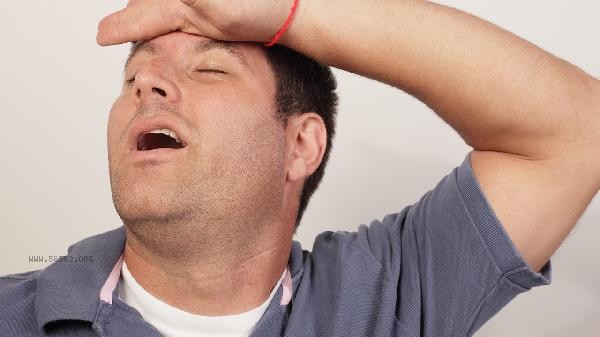
Continuous weight loss relies on a calorie deficit, where daily calorie consumption exceeds intake. Aerobic exercise such as jogging, swimming, etc. can effectively break down fat to provide energy while maintaining the target heart rate range, and when combined with resistance training to increase muscle mass, it can improve basal metabolic rate. Although high-intensity interval training results in less sweating in a short period of time, the subsequent excessive oxygen consumption effect can sustainably burn calories. It is recommended to engage in moderate intensity exercise every week and control the total daily calorie intake. During the weight loss period, it is necessary to ensure daily water intake to avoid mistaking dehydration as a weight loss effect. It is possible to record indicators such as waist circumference and body fat percentage instead of simply weighing. When experiencing dehydration symptoms such as dizziness and fatigue, electrolyte containing drinks should be replenished in a timely manner. Long term weight management requires the formation of healthy eating and exercise habits, and sweating is not the core criterion for judgment.









Comments (0)
Leave a Comment
No comments yet
Be the first to share your thoughts!