
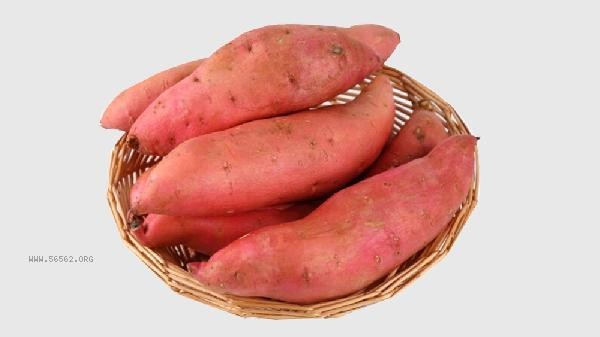
Eating sweet potatoes in moderation every day can help with weight loss, but it should be combined with total calorie control and a balanced diet. Sweet potatoes are rich in dietary fiber and low glycemic index carbohydrates, which help prolong satiety, but a single food cannot directly cause weight loss. Sweet potatoes have a calorie content of approximately 86 calories per 100 grams, lower than refined rice and flour, and are rich in dietary fiber and beta carotene. Dietary fiber can delay gastric emptying time, reduce hunger, and help control subsequent food intake. β - carotene is converted into vitamin A in the body and participates in the regulation of fat metabolism. Cooking methods can affect weight loss, so it is recommended to choose steaming or baking to avoid frying or adding high sugar seasonings. Relying solely on sweet potatoes may lead to nutritional imbalance, as a long-term single diet may lack high-quality protein and essential fatty acids. When replacing staple foods, attention should be paid to total calorie intake. It is recommended to pair 100-150 grams of sweet potatoes with each meal, while increasing the intake of green leafy vegetables and lean meat. Some individuals with weaker gastrointestinal function may experience bloating, and patients with chronic kidney disease need to control their intake of high potassium foods. Maintaining a daily calorie deficit of 500 calories is the key to weight loss, and it is recommended to combine it with 150 minutes of moderate intensity exercise per week. You can try eating sweet potatoes as breakfast or as an extra after exercise to avoid excessive consumption at night. If there is a plateau in weight, it is necessary to adjust the diet structure and exercise plan in a timely manner, and consult a nutritionist if necessary to develop a personalized plan.










Comments (0)
Leave a Comment
No comments yet
Be the first to share your thoughts!