
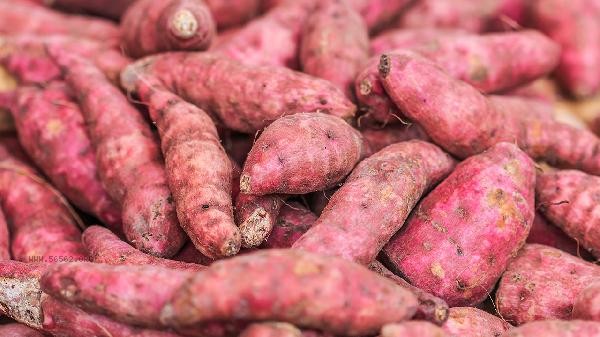
Eating sweet potatoes in moderation at night can help with weight loss, but it is necessary to control the intake and balance it with the overall diet. Sweet potatoes are rich in dietary fiber and complex carbohydrates, and their low calorie and high satiety characteristics can reduce the probability of extra nighttime eating. Dietary fiber can slow down gastric emptying, maintain a sense of fullness for a longer period of time, and avoid consuming high calorie snacks due to hunger before bedtime. Complex carbohydrates digest and absorb slowly, without causing drastic fluctuations in blood sugar, which is beneficial for controlling nighttime fat synthesis. But sweet potatoes still contain a certain amount of calories, with 100 grams of sweet potatoes containing about 90 calories. If consumed excessively after dinner, exceeding daily calorie consumption may still lead to weight gain. It is recommended to use sweet potatoes as a staple food to replace some refined rice and flour, and to balance the intake with high-quality protein and vegetables. Excessive consumption of sweet potatoes may lead to gastrointestinal bloating or acid reflux due to their high starch content, especially for individuals with gastroesophageal reflux problems, which may exacerbate nighttime discomfort. Although the glycemic index of sweet potatoes is lower than that of white rice, the cooking method can affect their glycemic effect. Sweet potatoes cooled after steaming have a higher content of resistant starch, which is more beneficial for blood sugar control. Avoid cooking methods such as adding sugar or frying to prevent additional calorie intake. People with weak gastrointestinal function can consume in small amounts or combine with probiotic foods to improve digestive tolerance.

It is recommended to include sweet potatoes in the daily calorie plan, with a dinner intake of less than 200 grams. Combining with 30 minutes of low-intensity exercise such as walking or yoga can optimize metabolic effects. At the same time, maintain sufficient protein intake and hydration throughout the day to avoid malnutrition caused by single food dependence. Continuous weight management should be combined with regular sleep and scientific exercise plans.









Comments (0)
Leave a Comment
No comments yet
Be the first to share your thoughts!