
Eating oatmeal on an empty stomach in the morning usually helps with weight loss. Oatmeal is rich in dietary fiber and high-quality protein, which can increase satiety and delay gastric emptying, reducing subsequent food intake. But it is important to pay attention to a balanced diet and exercise in order to achieve the desired results.

As a food with low glycemic index, oatmeal's soluble dietary fiber β - glucan absorbs water and expands in the stomach, forming a gel like substance to delay carbohydrate absorption and avoid hunger caused by sudden rise and fall of blood sugar. Oatmeal has a higher protein content than regular grains, and has a slower digestion and absorption rate, which can maintain a longer energy supply. When consumed on an empty stomach, oatmeal can preferentially occupy stomach space, reducing the probability of consuming high calorie foods. Long term adherence to this habit, combined with controlling daily total calorie intake, may create a calorie deficit and promote weight loss. Some people may experience gastrointestinal discomfort, such as bloating or acid reflux, when consuming oatmeal on an empty stomach, which is related to individual differences in digestive function. If oatmeal is not fully chewed or brewed too thick, it may increase the digestive burden. Adding excessive sugar, nuts, and other high calorie ingredients can counteract its weight loss effect. Choosing pure oatmeal instead of instant sugary products, brewing it with water or low-fat milk, and pairing it with a small amount of fresh fruit can better control sugar and reduce weight.
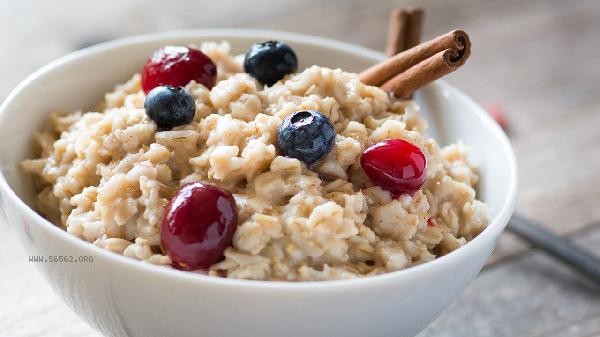
It is recommended to include oatmeal as part of breakfast, combined with whole grains, vegetables, and high-quality protein to form a balanced diet. To avoid relying solely on a single food for weight loss, it is necessary to combine moderate aerobic exercise and strength training every week. If there is diabetes or gastrointestinal disease, consult a doctor to adjust the way of eating. Regularly monitor weight changes and flexibly adjust dietary plans based on body reactions.






Comments (0)
Leave a Comment
No comments yet
Be the first to share your thoughts!