
Eating egg whites can help with weight loss, but it should be combined with a comprehensive diet and exercise plan. Egg white is rich in high-quality protein and low in calories, which can increase satiety and promote muscle synthesis, making it a suitable source of protein during weight loss.
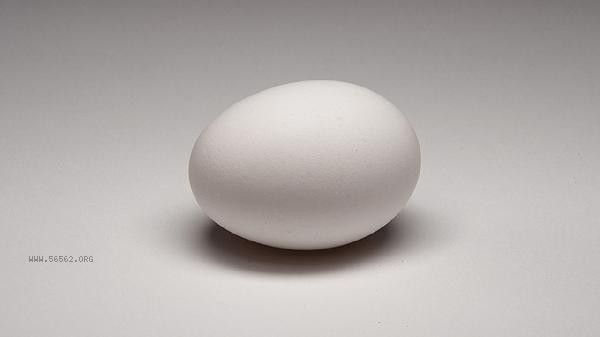
Egg white has a high protein content and extremely low fat and carbohydrate content, with only about 50 calories per 100 grams. Protein digestion is slower, which can prolong gastric emptying time, reduce hunger, and avoid excessive calorie intake due to frequent eating. The essential amino acids such as leucine in egg white can stimulate muscle protein synthesis, and when combined with strength training, can help maintain basal metabolic rate. However, simply increasing protein intake without controlling total calories may still lead to weight gain.
Some individuals may experience gastrointestinal discomfort or increase renal burden due to excessive protein intake. Individuals with renal insufficiency should limit their total protein intake, while gout patients should avoid excessive consumption of high purine foods. Egg allergy sufferers may experience skin itching or respiratory symptoms, and should use whey protein or plant protein as a substitute. Raw egg white contains anti biotin protein, which may affect biotin absorption. It is recommended to heat it thoroughly before consumption.
During weight loss, chicken protein can be used as breakfast or an extra meal, paired with whole grains and vegetables to ensure a balanced nutrition. The recommended daily intake is 1-2 whole eggs with additional protein to avoid completely replacing other protein sources. It is recommended to combine aerobic exercise and resistance training, and maintain 150 minutes of moderate intensity exercise per week. Long term weight loss requires establishing sustainable eating habits, and excessive reliance on a single food may lead to nutritional deficiencies. When there is persistent weight stagnation, it is recommended to consult a nutritionist to adjust the dietary structure.








Comments (0)
Leave a Comment
No comments yet
Be the first to share your thoughts!