
Eating apples in the morning can help alleviate constipation, but it cannot completely replace treatment. Apples are rich in dietary fiber and pectin, which can promote intestinal peristalsis, but improving constipation requires a combination of dietary adjustments and etiological management.
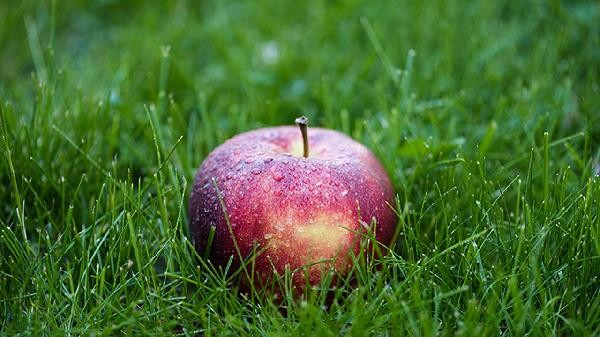
The dietary fiber in apples can be divided into soluble and insoluble. The soluble fiber can absorb water to form gel like substances, while the insoluble fiber increases the volume of feces. Pectin is fermented by bacteria in the intestine to produce short chain fatty acids, which help improve the intestinal environment. The fiber content in apple peels is higher, it is recommended to wash them and eat them with the peels attached. For mild functional constipation, eating an apple on an empty stomach every day may have some effect.

Stubborn constipation may be related to insufficient intestinal motility, hypothyroidism, or medication side effects, and relying solely on apples has limited effectiveness. Organic problems such as intestinal obstruction and megacolon require medical intervention. Diabetes patients need to control apple intake to avoid blood sugar fluctuations. Some people are intolerant to fructose in apples, which may exacerbate bloating symptoms.

It is recommended that constipated patients consume sufficient water every day, paired with foods rich in dietary fiber such as whole grains and broccoli, and engage in appropriate abdominal massage and brisk walking exercises. If constipation persists for more than two weeks or is accompanied by symptoms such as abdominal pain and rectal bleeding, it is necessary to seek medical attention promptly to investigate potential diseases such as irritable bowel syndrome and colon polyps. Apples can be a part of a healthy diet, but not the only treatment.








Comments (0)
Leave a Comment
No comments yet
Be the first to share your thoughts!