
Drinking oolong tea may help with weight loss, but the effect varies from person to person. The tea polyphenols and caffeine in oolong tea may promote metabolism and fat breakdown, but relying solely on drinking tea cannot achieve significant weight loss effects. The tea polyphenols in oolong tea can help inhibit fat absorption and promote fat oxidation, while caffeine may stimulate the central nervous system and increase energy expenditure. Research shows that long-term regular consumption of oolong tea may have a certain auxiliary effect on weight control, especially when combined with a high-fat diet. However, it should be noted that the caffeine content of oolong tea may cause palpitations or insomnia in some people, and drinking it on an empty stomach may also irritate the gastrointestinal mucosa.
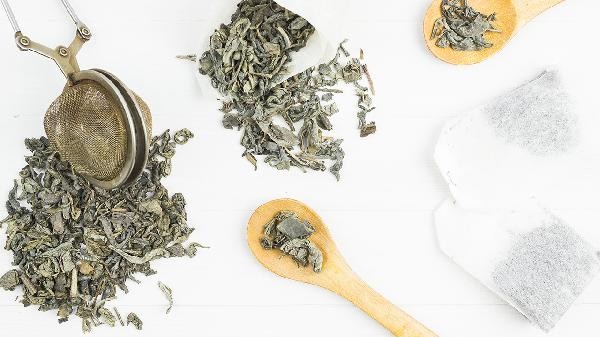
Some individuals with special constitutions may experience adverse reactions when drinking oolong tea, such as those with excessive stomach acid which may worsen acid reflux symptoms, and anemia patients who may affect iron absorption. Pregnant women and patients with severe heart disease should limit their intake. Some commercially available flavored oolong tea beverages have a high sugar content, which may actually increase calorie intake. It is recommended to choose glycogen free tea brewed with tea leaves.
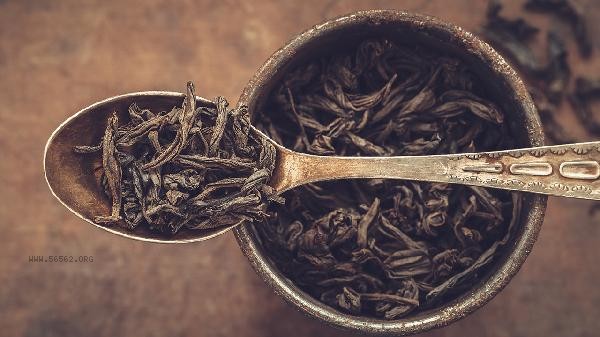
It is recommended to use oolong tea as an auxiliary choice for a healthy diet, combined with a balanced diet and moderate exercise to achieve the desired weight loss effect. Daily consumption should not exceed 1000 milliliters to avoid affecting sleep before bedtime. During weight loss, it is also important to pay attention to sufficient intake of protein and dietary fiber to avoid nutritional imbalance caused by excessive tea consumption. Stop drinking immediately and consult a doctor when experiencing discomfort symptoms such as palpitations and dizziness.








Comments (0)
Leave a Comment
No comments yet
Be the first to share your thoughts!