
Dragon fruit can be eaten in January, it is a seasonal fruit and rich in nutrients. Dragon fruit is rich in vitamin C, dietary fiber, and anthocyanins, which help with antioxidant properties and promote digestion. In January, most of the dragon fruit sold on the market were greenhouse grown or imported varieties, with little difference in maturity and taste compared to summer. Red heart dragon fruit has a higher sweetness and white heart dragon fruit has more water content. Eating it refrigerated can better preserve its nutritional components. Moderate consumption in winter can help alleviate constipation caused by dry weather, and the natural sugars it contains can quickly replenish energy.
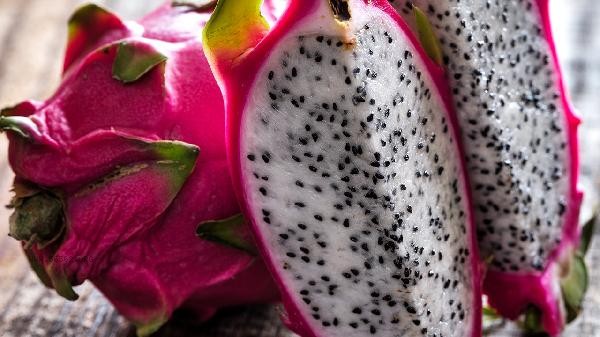
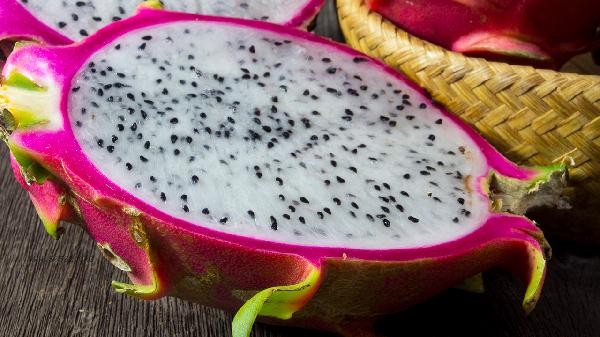
Some people with cold constitution may experience gastrointestinal discomfort when consuming large amounts of food on an empty stomach. It is recommended to consume warm foods such as red dates and longan together. Diabetes patients need to control the single intake to avoid blood sugar fluctuations. When purchasing, pay attention to the absence of wrinkles on the skin, fresh green scales, and fresh fruit with no browning spots on the flesh after cutting. Dragon fruit can be used to make milkshakes, fruit platters, or salads, and when paired with yogurt, it can balance coldness. When storing in winter, it is recommended to wrap it in plastic wrap and place it in the refrigerator compartment to avoid mixing it with other fruits that release ethylene. If discomfort symptoms such as diarrhea occur, consumption should be suspended. For those with weak gastrointestinal function, they can heat the fruit to a warm temperature and consume a small amount of fruit pulp.









Comments (0)
Leave a Comment
No comments yet
Be the first to share your thoughts!