
Doing anaerobic exercise alone may help with weight loss, but the effect varies from person to person, and usually requires a combination of aerobic exercise to achieve a more ideal weight loss effect. Anaerobic exercises such as weightlifting, sprinting, resistance training, etc. are mainly powered by glycolysis, which can quickly consume muscle glycogen and stimulate muscle growth. An increase in muscle mass can improve basal metabolic rate, which in the long run helps to sustain calorie expenditure. But these exercises have relatively limited calorie expenditure in a single training session, and their direct mobilization effect on fat is weak. The core of weight loss is to create a calorie deficit, and the phenomenon of excessive oxygen consumption after anaerobic exercise can cause the body to continuously consume a small amount of energy during rest. Some people have indeed achieved weight loss, especially visceral fat reduction, through high-intensity interval training and other anaerobic methods. The weight loss efficiency relying solely on anaerobic exercise is usually lower than aerobic exercise. Aerobic exercise such as jogging and swimming can directly use fat to provide energy, and a single exercise can burn more calories. Lack of aerobic exercise at the same time may lead to limited improvement in cardiovascular and pulmonary function, affecting overall metabolic health. For those with a large body weight or novice athletes, pure anaerobic training may also increase the risk of joint injury due to improper movements. Some women may find it difficult to break through the weight loss plateau period solely through anaerobic exercise due to differences in hormone levels.
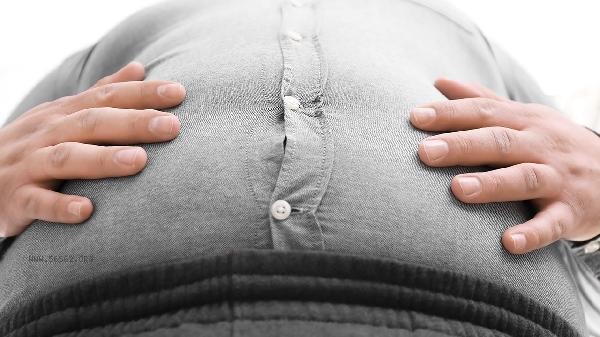
It is recommended to develop a mixed training plan that includes both anaerobic and aerobic exercises, which can be more effective when combined with dietary control. Anaerobic exercise can choose strength training three times a week for large muscle groups, while aerobic exercise involves 150 minutes of moderate intensity activity per week. Timely supplementation of high-quality protein such as eggs and whey protein after exercise can help with muscle repair. Individuals with higher body weight should start with low impact aerobic exercise and gradually incorporate resistance training. If there is persistent soreness or joint discomfort after exercise, adjust the training intensity and consult a professional coach.









Comments (0)
Leave a Comment
No comments yet
Be the first to share your thoughts!