
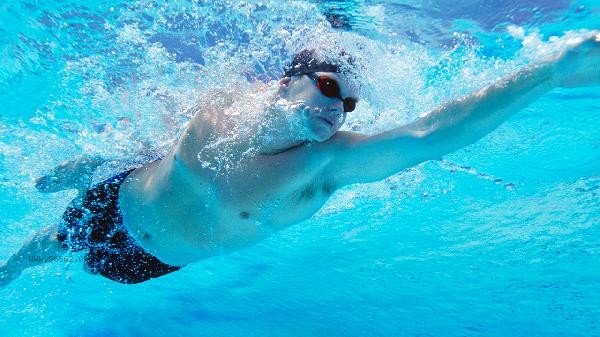
Persisting in swimming every day can generally help with weight loss. Swimming is an aerobic exercise that consumes a lot of energy and helps reduce fat accumulation in the body. During swimming, the body needs to overcome the resistance of water and generate sustained stimulation of muscle groups, which can burn more calories per unit of time. Common swimming styles such as breaststroke and freestyle can burn moderate amounts of calories per hour, but long-term adherence can create a calorie deficit. When swimming, the water environment has less joint pressure, making it a suitable initial choice for overweight individuals as a weight loss exercise. Water temperature lower than body temperature will prompt the body to expend extra energy to maintain body temperature, further enhancing the fat loss effect. After swimming, the basal metabolic rate of the human body will increase in the short term, which lasts for several hours and helps with fat breakdown. The energy consumption of water sports is easily affected by the standard of movements, and non-standard postures can reduce energy consumption efficiency. Swimming in a low-temperature environment may lead to overeating, and if diet is not controlled, it may counteract the effects of exercise. Some people reduce their daily activity after swimming due to fatigue, which in turn lowers their total daily consumption. The chlorine containing water in the swimming pool may irritate the mucous membranes, leading to increased breathing after exercise and hindering continuous exercise.

Healthy weight loss requires reasonable control of dietary calories and combination with other forms of exercise. It is recommended to swim 4-5 times a week for at least 40 minutes each time to achieve better weight loss results. Warm up and relax thoroughly before and after swimming to avoid sports injuries. People with high body fat percentage can combine dietary management to gradually increase swimming intensity and time. It is not recommended to swim on an empty stomach or immediately after a meal, as it may cause hypoglycemia or gastrointestinal discomfort.









Comments (0)
Leave a Comment
No comments yet
Be the first to share your thoughts!