
Brown sugar, ginger, and apples can be boiled and consumed together with water, which has the effects of dispelling cold, warming the stomach, and replenishing energy. Brown sugar provides calories, ginger promotes blood circulation, and apples increase vitamins and dietary fiber. The combination of the three is suitable for drinking in autumn and winter seasons.
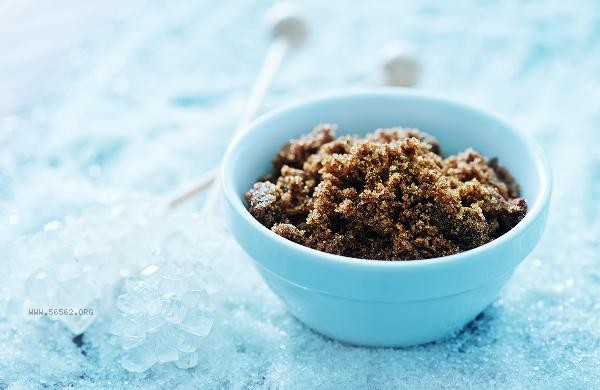
Brown sugar ginger apple water is a traditional dietary formula. The gingerol in ginger can stimulate the gastrointestinal mucosa, improve digestive function, and the glucose and minerals contained in brown sugar can quickly replenish energy. After cooking, the pectin component of apples is more easily absorbed, which helps regulate the balance of intestinal microbiota. This drink has a certain auxiliary effect on alleviating the initial symptoms of mild cold, such as chills and nasal congestion, but diabetes patients should control the amount of brown sugar. People with dry and hot constitution or those who are currently experiencing fever should not drink excessively, as it may worsen their internal heat syndrome. Patients with gastric ulcers should be cautious when consuming ginger, which may stimulate gastric acid secretion. Excessive consumption by women during menstruation may lead to increased menstrual flow. It is recommended to drink no more than 500 milliliters per day to avoid stimulating the gastrointestinal mucosa when drinking on an empty stomach.
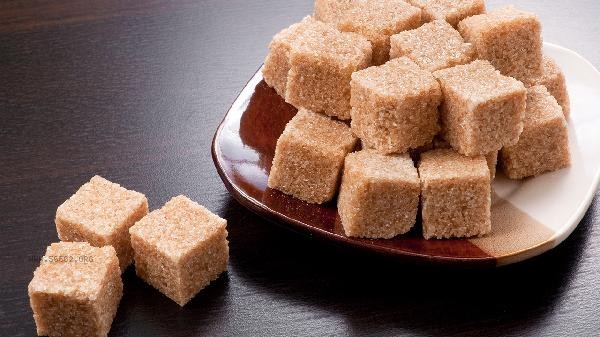
When drinking brown sugar ginger apple water, it can be paired with whole wheat bread and other foods to slow down sugar absorption. During periods of cold and wind, the amount of ginger can be appropriately increased. Long term drinkers should pay attention to oral hygiene to prevent sugar residue from causing dental caries. Allergic individuals should undergo low-dose testing on their first attempt. Special populations are advised to consult a traditional Chinese medicine practitioner for diagnosis and treatment, and avoid taking the same medication as heat clearing drugs that may affect their efficacy.









Comments (0)
Leave a Comment
No comments yet
Be the first to share your thoughts!