
Walking fast every day can generally help with weight loss, but it needs to be combined with dietary control and exercise adjustments.

Fast walking is a low-intensity aerobic exercise that promotes fat breakdown by continuously burning calories. An adult weighing 60 kilograms walking at a speed of 6 kilometers per hour for one hour consumes approximately 250-300 calories, and long-term adherence can reduce visceral fat accumulation. Maintaining a heart rate of around 60% of the maximum heart rate during brisk walking can effectively activate fat metabolism. It is recommended to do it in the morning or 1 hour after a meal, with each session lasting for more than 30 minutes for better results. Plastic tracks or flat roads should be preferred for the ground, and sports shoes with good cushioning performance should be worn to avoid joint injuries. Combined with a high protein and low-fat diet, such as chicken breast and broccoli, can accelerate the decrease in body fat percentage.
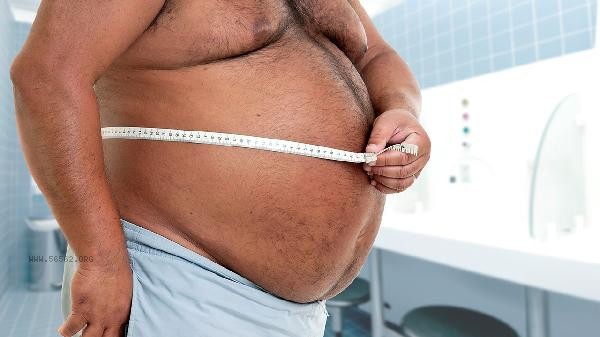
Some populations may experience plateau periods or insignificant effects, commonly seen in individuals with low basal metabolic rates, long-term lack of exercise, or patients with thyroid dysfunction. If the target heart rate range is not reached during brisk walking, the energy expenditure may not be sufficient to produce a weight loss effect. Individuals with degenerative knee joint disease or severe obesity need to adjust their exercise intensity under the guidance of a doctor, and can switch to activities such as swimming or cycling that have less joint pressure. For those with a large weight base, it is recommended to start with 15 minutes of brisk walking every day and gradually extend it to 45 minutes.

It is recommended to maintain brisk walking exercise for at least 5 days a week, combined with resistance training twice a week to increase muscle mass. Warm up and stretch thoroughly before and after exercise, and replenish electrolytes and fluids in a timely manner. If there is no weight change for a month, it may be considered to adjust the exercise plan or consult a nutritionist to develop a personalized plan. During weight loss, it is necessary to ensure 7 hours of sleep to avoid staying up late and affecting leptin secretion.








Comments (0)
Leave a Comment
No comments yet
Be the first to share your thoughts!