
The nutritional value of black glutinous rice and black rice is not completely the same, and both have their own emphasis on nutritional components. Black glutinous rice mainly contains protein, fat, carbohydrates, B vitamins, calcium, iron, etc. Black rice is rich in anthocyanins, dietary fiber, vitamin E, zinc, selenium, etc. The protein content of black glutinous rice is slightly higher than that of black rice, and due to its strong viscosity, it is often used to make desserts or pastries, which can provide higher calories. Black rice has a more prominent dietary fiber content, which helps promote gastrointestinal peristalsis and improve digestive function. The anthocyanins in black rice have antioxidant properties, which can help delay aging and protect cardiovascular health. Black glutinous rice has a relatively high iron content and is suitable for people who need to supplement their blood. The vitamin E and selenium elements in black rice are beneficial for enhancing immunity and protecting skin health.
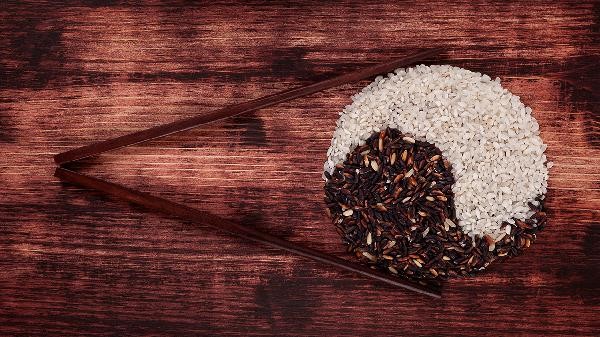
The carbohydrate content of black glutinous rice is high, and the glycemic index is relatively high. diabetes patients need to control their intake. Black rice is rich in dietary fiber and has a smoother blood sugar response, making it more suitable for people who need to control their blood sugar. Black glutinous rice has a slightly higher fat content, but mostly unsaturated fatty acids, which have a relatively small impact on cardiovascular health. The zinc element in black rice has a positive effect on the growth and development of children and the immune function of adults. Black glutinous rice has a high calcium content, which is helpful for bone health, but its absorption rate is relatively low. In daily diet, black glutinous rice or black rice can be chosen according to needs. Black glutinous rice is suitable as an energy supplement and blood supplement ingredient, while black rice is more suitable for people who need antioxidants and blood sugar control. Both can be consumed in combination with rice or other miscellaneous grains to balance nutrient intake. It is recommended to soak in advance during cooking to enhance taste and nutrient absorption, and to avoid gastrointestinal discomfort caused by excessive consumption.








Comments (0)
Leave a Comment
No comments yet
Be the first to share your thoughts!