
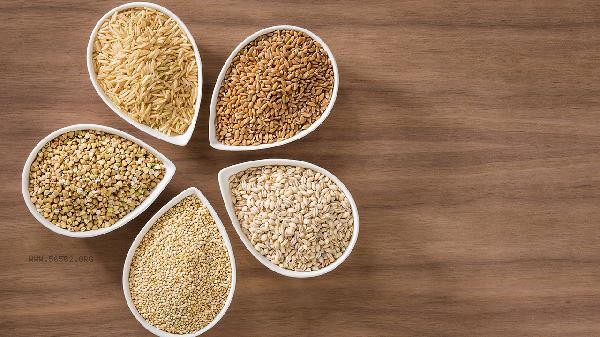
Beans are neither coarse grains nor fine grains, but are classified as separate legume foods. Coarse grains mainly refer to unprocessed whole grains, fine grains are refined grains, and legumes are classified separately due to their unique nutritional structure. The main difference between legumes and coarse and fine grains lies in their nutritional composition and processing methods. Coarse grains usually refer to whole grains that have not been finely processed, retaining bran, germ, and endosperm, and have a high content of dietary fiber, such as brown rice, oats, corn, etc. Fine grains are finely processed grains that have removed bran and germ, resulting in a finer taste but loss of dietary fiber and some nutrients, such as polished rice and flour. Beans include soybeans, black beans, red beans, mung beans, etc., with significantly higher protein content than grains. They are also rich in dietary fiber, B vitamins, and minerals, and their nutritional composition is fundamentally different from grains. Beans are classified separately in the dietary structure, and the Chinese Dietary Guidelines combine them with nuts to form soybeans and nuts, and recommend them separately from grains. Bean protein is a high-quality plant protein that contains lysine, which is lacking in grains. Eating it in combination with grains can improve protein utilization. Oligosaccharides and resistant starch in legumes are beneficial for intestinal health, but some populations may experience bloating due to insufficient digestive enzymes. Soaking or fermenting in advance during cooking can improve digestion and absorption rates. It is recommended to consume an appropriate amount of soy products every week to supplement nutrients.
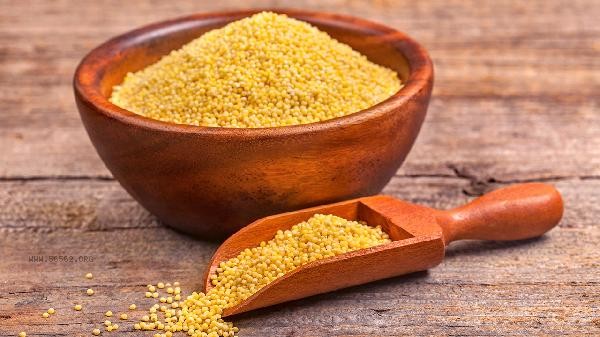
Beans can be paired with coarse grains in daily diet, such as red bean brown rice or chickpea salad, which can increase dietary fiber intake and improve protein quality. For those with weak digestive function, it is recommended to choose bean products that are easy to absorb, such as tofu and soybean milk, to avoid gastrointestinal discomfort caused by excessive consumption of whole beans. After sprouting, the nutrient content of some legumes increases, which can be used as one of the choices for a diversified diet.








Comments (0)
Leave a Comment
No comments yet
Be the first to share your thoughts!