
Selecting winter jujubes can be comprehensively judged from six aspects: appearance, hardness, aroma, stem, sound, and place of origin. High quality winter jujubes usually have smooth and undamaged skin, moderate hardness, a sweet aroma, fresh fruit stems, and a crisp sound when shaken lightly. Products from core production areas are preferred.
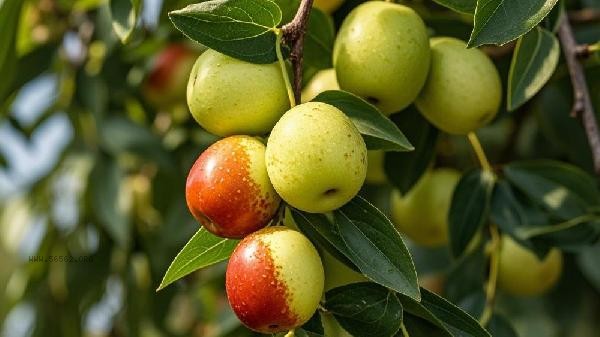
1. Appearance
The mature winter jujube skin has a natural red yellow gradient color, without obvious green or black spots. The fruit surface is smooth with a waxy texture, without any mechanical damage or insect marks. The fruit is full and symmetrical in shape. Jujubes that are too large may use swelling agents, while those that are too small may have insufficient maturity. Avoid choosing dates with overly bright colors or sticky skin, as they may have been artificially processed.
2. Hardness
The jujube body should have moderate elasticity when lightly pressed with fingers. If it is too hard, it indicates that it is not fully mature, and if it is too soft, it may be stored for too long. Fresh winter jujube flesh is firm but not stiff, and can quickly bounce back after gentle pinching. If local softness or separation of skin and flesh is found, it indicates that deterioration has begun.
3. Odor
Naturally ripe winter jujubes have a slight jujube aroma when smelled, without any fermented wine or chemical agent odor. If the smell is too strong, essence may be added, and if it is tasteless, it may be immature or refrigerated for too long. After peeling off, the meat should have a fresh aroma, and the appearance of a sour and rotten taste indicates that the interior has deteriorated.
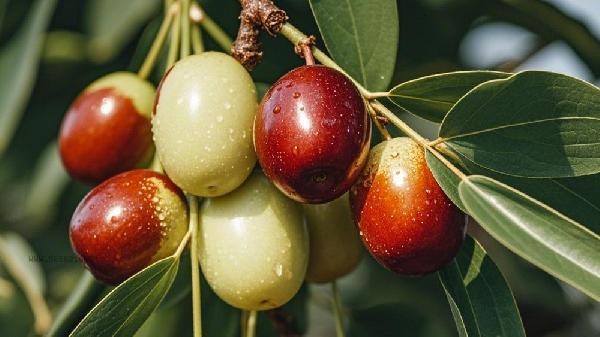
4. Fruit Stem
Fresh winter jujube fruit stems are green brown in color and tightly connected to the fruit. If the stems fall off or turn black, it indicates that the picking time is longer. Observe whether there is any exudate around the fruit stem. If there is juice exuding, it indicates that the flesh may have been damaged. Winter jujubes with branches and leaves are fresher, but attention should be paid to whether the branches and leaves are artificially inserted.
5. Sound
Grip a few winter jujubes and shake them gently. Fresh fruits will make a crisp collision sound, while a dull sound indicates that the flesh has become soft. You can also lightly tap the jujube body, and the sound should be as clear as the collision of stones. This method is suitable for judging the quality of the bottom jujube when purchasing a whole box.
6. Origin
The quality of winter jujubes from core production areas such as Dali in Shaanxi and Zhanhua in Shandong is more stable, and you can check the packaging label when purchasing. Seasonal winter jujubes are usually available from September to November, while off-season products may undergo long-term refrigeration. Choose products with traceable QR codes for online shopping to avoid bulk dates with no tracking information. Winter jujubes are rich in vitamin C and dietary fiber, and consuming 5-8 of them daily can meet nutritional needs. Soaking in salt water during cleaning can remove surface pesticide residues, and refrigeration storage should be kept dry to avoid mold growth. People with weak gastrointestinal function should not take large amounts of food on an empty stomach. diabetes patients need to control their intake. When selecting, multiple methods should be combined to make a comprehensive judgment in order to obtain the best taste and nutritional value.








Comments (0)
Leave a Comment
No comments yet
Be the first to share your thoughts!